Introduction: Effective communication is the cornerstone of healthy relationships, both personally and professionally. It allows us to express our thoughts and feelings, understand others’ perspectives, and build meaningful connections. Whether it’s in our personal lives, at work, or within our communities, honing our communication skills can significantly impact our relationships and contribute to our overall success. In this blog post, we will delve into the essential elements of effective communication and provide practical tips to help you enhance your skills for better relationships and greater achievements.

- The Power of Active Listening: Active listening is the foundation of effective communication. It involves not just hearing the words spoken by others but also understanding their meaning, emotions, and intentions. To become a better active listener:
- Maintain eye contact and give your undivided attention.
- Avoid interrupting and allow the speaker to finish before responding.
- Use non-verbal cues like nodding or smiling to show engagement.
- Reflect on what has been said and ask clarifying questions to ensure comprehension.
- Empathize with the speaker’s emotions and validate their feelings.
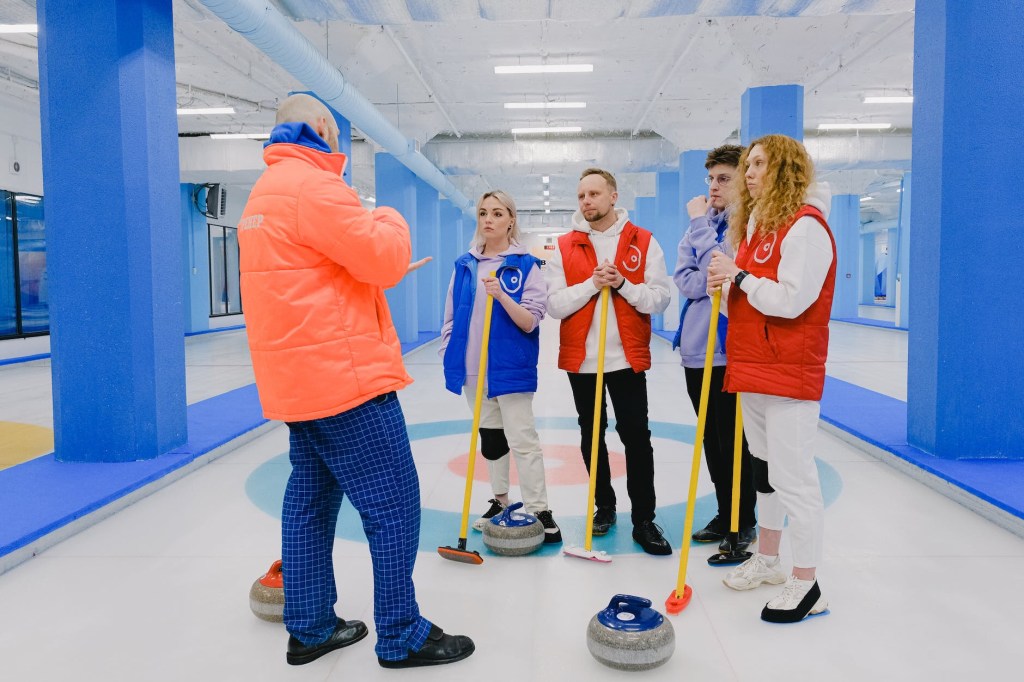
- Clear and Concise Verbal Communication: Expressing our thoughts and ideas clearly is crucial for effective communication. Consider the following tips:
- Organize your thoughts before speaking, ensuring a logical flow of ideas.
- Use simple and concise language, avoiding jargon or technical terms when communicating with a diverse audience.
- Be mindful of your tone of voice, as it can convey different emotions and influence the message’s reception.
- Practice using “I” statements to express your thoughts and feelings without sounding accusatory.
- Pay attention to non-verbal communication, such as facial expressions and body language, to align them with your verbal message.

- The Art of Non-Verbal Communication: Non-verbal cues can speak louder than words and greatly impact the effectiveness of our communication. To improve your non-verbal communication skills:
- Maintain an open and relaxed posture, avoiding crossed arms or defensive body language.
- Use appropriate facial expressions to convey emotions that align with your message.
- Pay attention to your gestures and use them purposefully to enhance your message.
- Be mindful of personal space and respect boundaries when communicating with others.
- Adapt your non-verbal communication style to different cultural contexts.
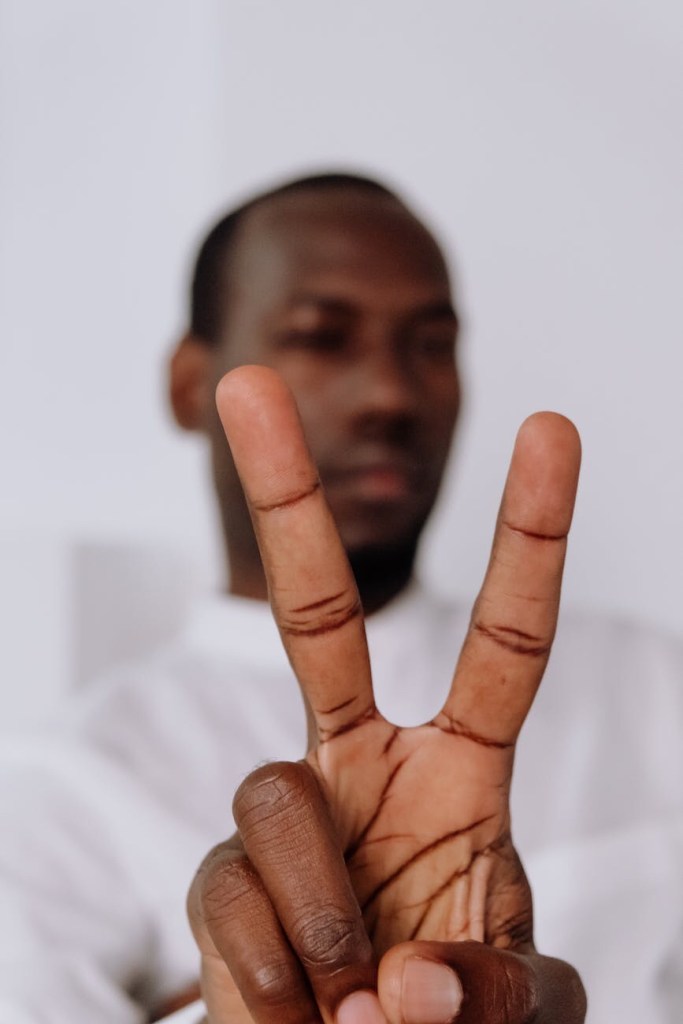
- Developing Empathy and Emotional Intelligence: Empathy and emotional intelligence are key ingredients for successful relationships. By developing these skills, we can better understand and connect with others. Here’s how:
- Put yourself in the other person’s shoes and try to understand their perspective.
- Listen attentively to others’ emotions and respond with empathy and compassion.
- Recognize and manage your own emotions, as well as understanding how they can affect your communication.
- Practice emotional regulation to prevent impulsive or harmful reactions during challenging conversations.
- Cultivate a supportive and inclusive environment that encourages open communication and emotional expression.

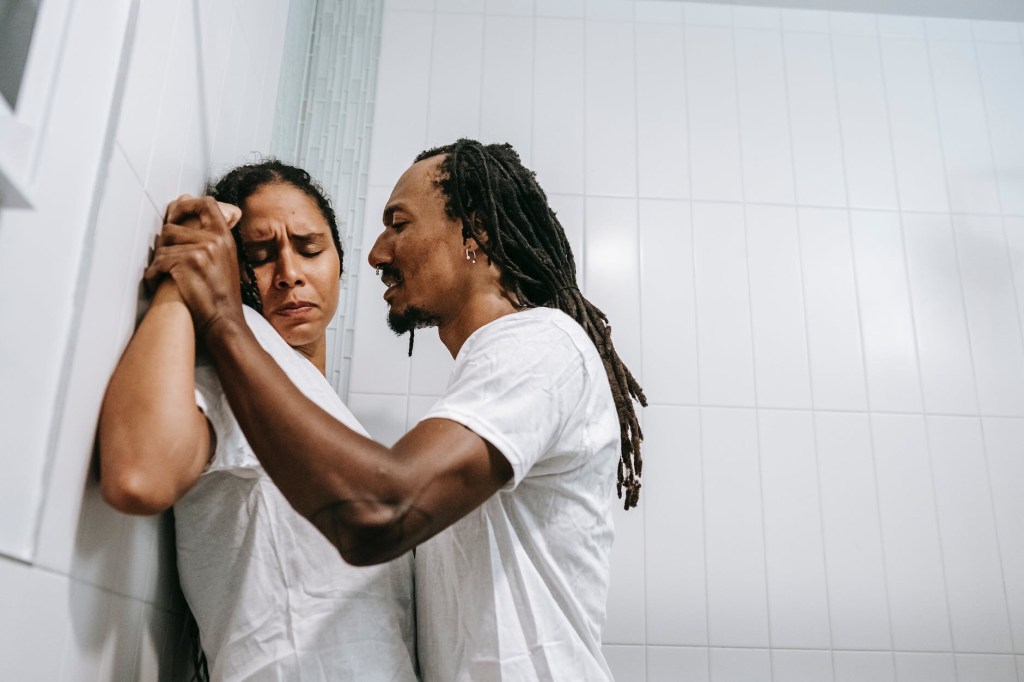
- Effective Conflict Resolution: Conflict is inevitable in any relationship, but how we handle it determines the outcome. Improve your conflict resolution skills by:
- Encouraging open dialogue and active listening during conflicts.
- Seeking a win-win solution where both parties’ needs and concerns are addressed.
- Practicing empathy and understanding to find common ground.
- Avoiding blame or criticism and focusing on the issue at hand.
- Using “I” statements to express your feelings and concerns without attacking the other person.
Conclusion: Enhancing your communication skills is a lifelong journey that requires practice and self-reflection. By implementing the strategies mentioned in this blog post, you can cultivate strong relationships and achieve greater success in various aspects of your life. Remember, effective communication is not just about expressing yourself; it’s about building bridges, fostering understanding, and creating a positive impact on those around you. Start incorporating these skills into your daily interactions, and watch how your relationships and overall success thrive.


You must be logged in to post a comment.